The term Rhythm and Blues, RnB, was first used by Billboard magazine in the late 1940′s. RnB was an African-American urban sound that evolved from blues and jazz. In the late 1940′s RnB was described as rocking and jazz based with a heavy and insistent beat. RnB was becoming popular because of it dance ability. By 1949 the term had replaced Billboard’s category Harlem Hit Parade. By the 1950′s RnB was starting to define the sound of Rock n Roll. In the early fifties Little Richard started recording for RCA Records and by the mid fifties had hits with “Tutti Frutti” and “Long Tall Sally.” Fats Domino had a hit with “Ain’t That a Shame.” Bo Diddly and Chuck Berry would influence and create beats that became mainstays in Rock n Roll.
Rhythm performer and recording artist in the late 1950s and early 1960s, Ray Charles pioneered a new style of music that became known as soul," a blend of gospel music, blues, and jazz that brought him worldwide fame. Ray Charles and blues (RnB), which combines soulful singing and a strong backbeat, was the most popular music created by and for African Americans between the end of World War II (1941-45) and the early 1960s. Such Georgia artists as Ray Charles, Little Richard, and James Brown rank among the most influential and innovative RnB performers.
Surging employment during World War II accelerated the migration of the rural poor to cities and helped create a younger, more urban black audience. By 1946 the decade-long dominance of swing music was fading, but the demand for exciting dance music remained. Early RnB artists broke away from the big band formula by typically performing in small combos and emphasizing blues-style vocals and song structures. Saxophone and piano were still prominent, but electric guitar and bass added volume and intensity, making the new sound ideal for radio and jukeboxes. Billboard magazine coined the term rhythm and blues to rename its "race records" chart in 1949, reflecting changes in the social status, economic power, and musical tastes of African Americans. Promoted by new, independently owned record labels and radio stations marketed to blacks, RnB also captured the imagination of young white audiences and led directly to the popularity of rock and roll.
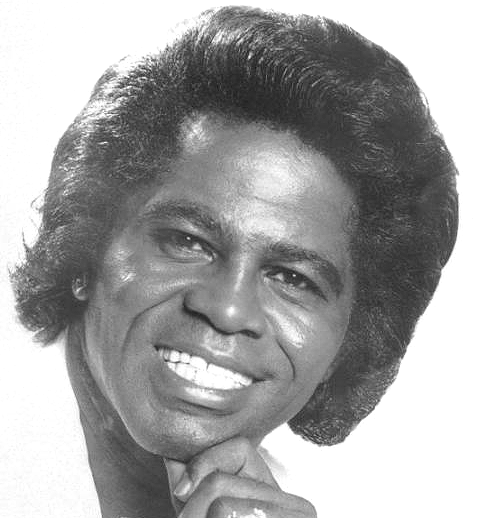
James Brown, and Aretha Franklin, was instrumental in pioneering soul music, a dynamic blend of gospel and rhythm and blues. Two of Brown's singles in 1965, Papa's Got a Brand New Bag-Part 1" and I Got You (I Feel Good)," were milestones of the genre. James Brown and Aretha Franklin performer has been more influential than singer and bandleader James Brown. Brought up in Augusta, Brown became known as the "hardest-working man in show business" for his relentless touring and explosive stage performances. His first hit was "Please, Please, Please" (1956). His million-selling Live at the Apollo album (1963) achieved unprecedented crossover success. Starting with "Papa's Got a Brand New Bag" and "I
Got You (I Feel Good)" in 1965, Brown evolved a new, funky style that emphasized intense rhythmic interplay between vocals, horns, guitar, and drums.
He was a constant presence on both R&B and pop charts through the social turmoil of the 1960s and early 1970s and achieved recognition not only as a performer but also as a symbol of black pride and self-sufficiency.In 1986 Ray Charles, Little Richard, and James Brown were among the first inductees into the Rock and Roll Hall of Fame in Cleveland, Ohio.The end of the classic RnB period was marked by Billboard magazine's short-lived decision to combine its pop and RnB charts in 1963. Since then "RnB" has been used more broadly to encompass a range of black musical genres, including soul, funk, disco, and rap.